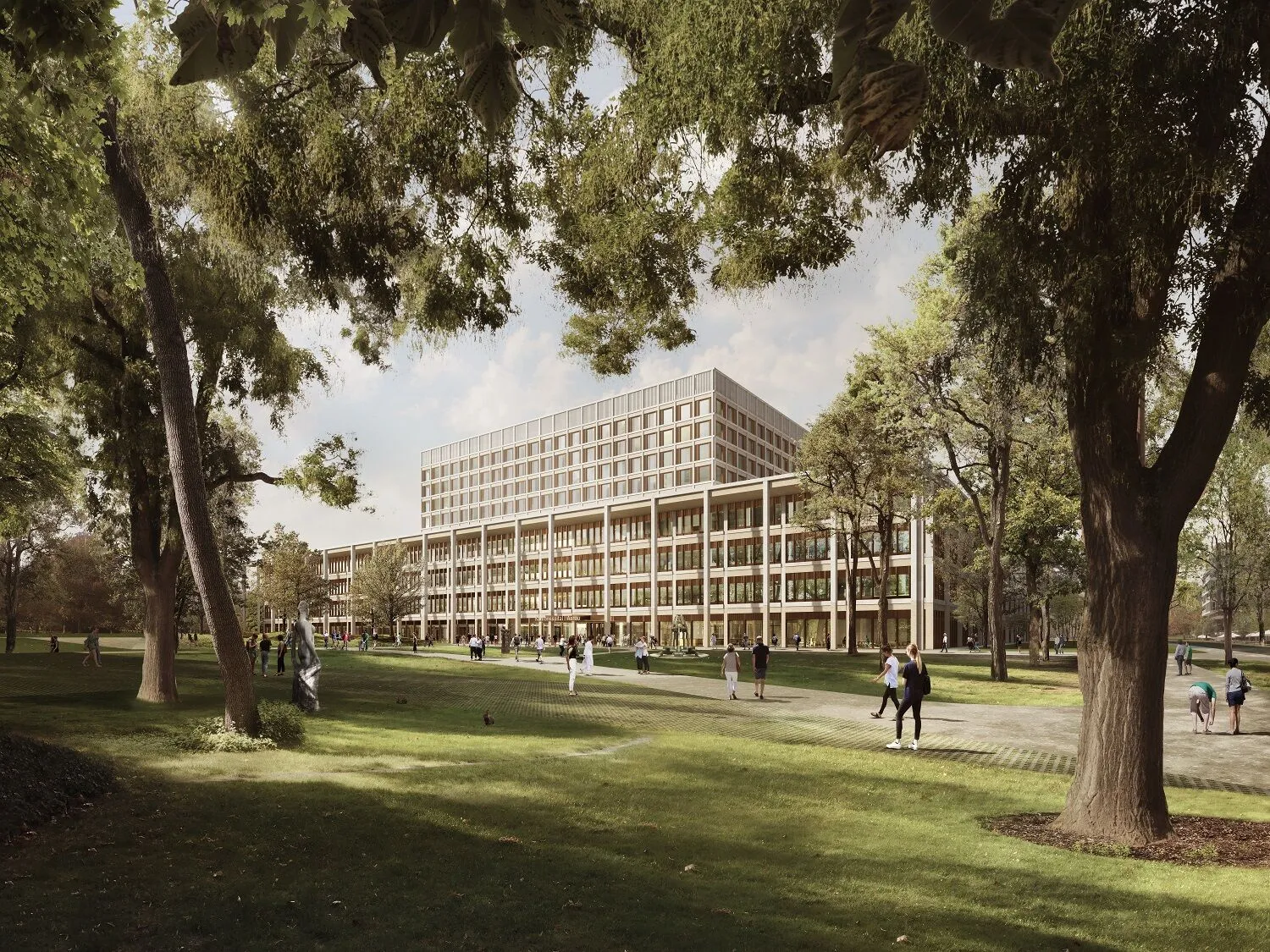
Kantonsspital Aarau
Kantonsspital Aarau
At Kantonsspital Aarau, general contractor Implenia used NEXT-BIM for construction monitoring and as-built verification in augmented reality. Through its connection with the LIBAL common data environment, the BIM model is now also available to maintenance teams during hospital operation.

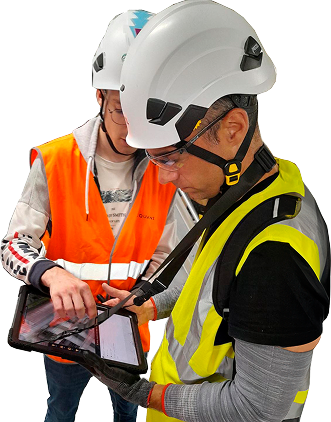
Following the completion of Implenia’s construction work, the maintenance teams at Kantonsspital Aarau identified clear value in continuing to use NEXT-BIM during the operational phase.
An as-built BIM model only delivers its full value if it remains accessible, understandable and usable by the teams who operate and maintain the building every day.
In a hospital environment, maintenance teams need to :
This is precisely where the connection between NEXT-BIM and LIBAL adds considerable value.
LIBAL is the building owner’s common data environment (CDE), making building knowledge actionable. The platform centralizes, verifies and structures all the data required for operation and maintenance: technical properties, equipment information, documentation and operational data. It makes this information available as a reliable, searchable knowledge base.
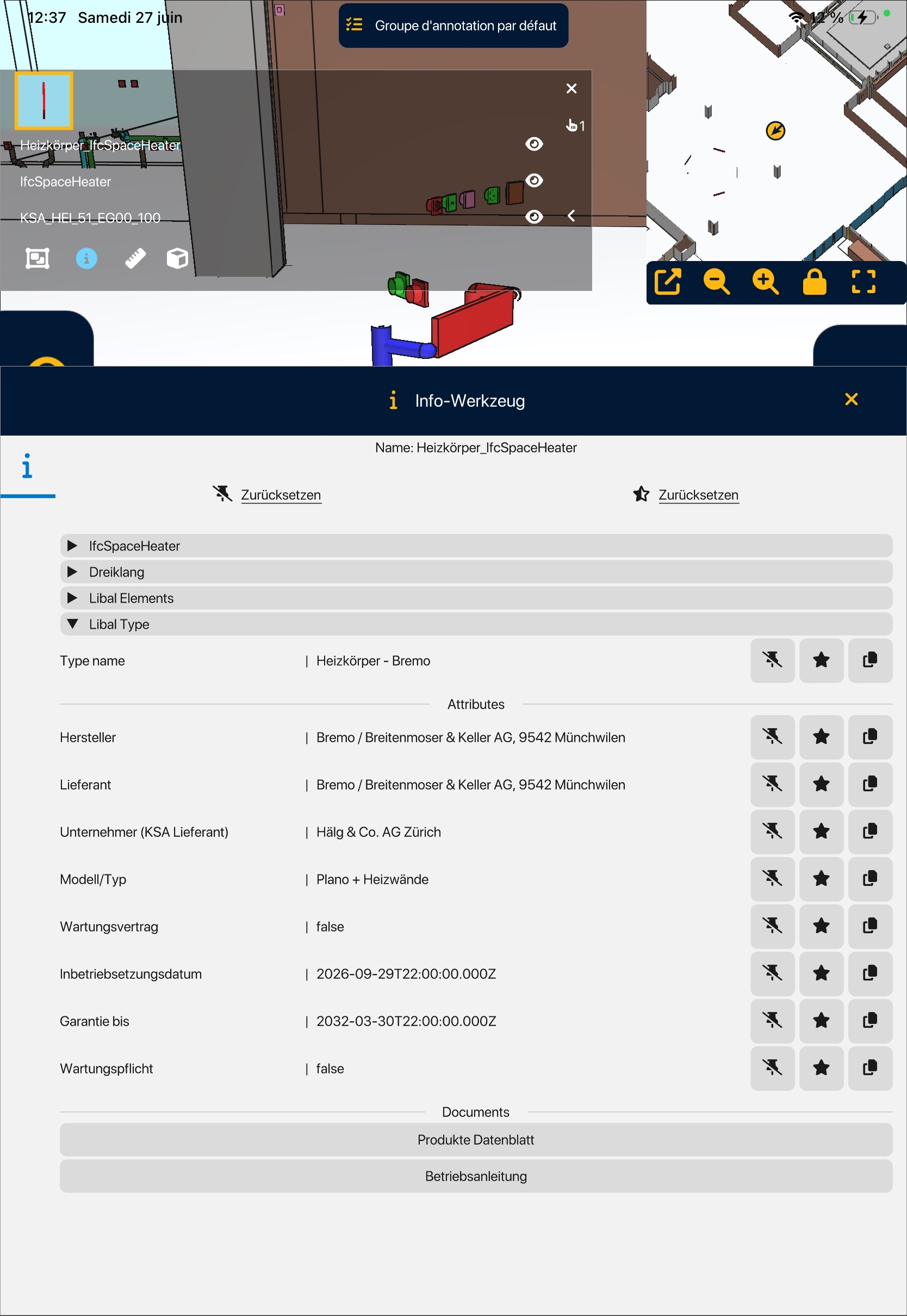
NEXT-BIM connected its application to LIBAL so that these technical properties and documents can be accessed directly within the on-site visualization environment.
In practice, users can:
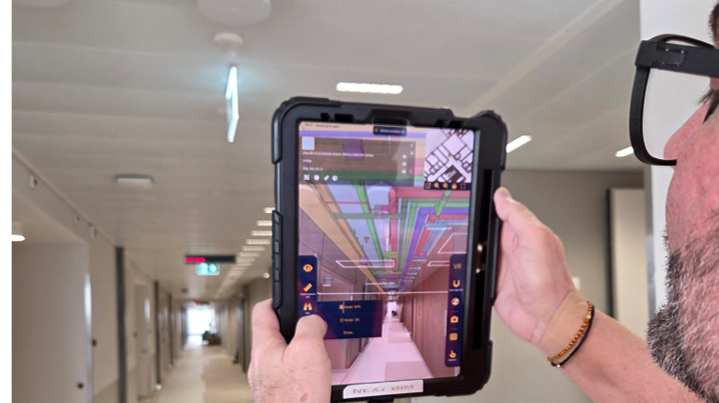
One of NEXT-BIM’s key benefits during operation is the ability to visualize the BIM model directly on site in augmented reality.
Maintenance teams can position themselves inside the building and view technical networks, equipment and BIM objects in their real environment, including elements concealed behind walls, ceilings or cladding.
This ability to “see through walls” provides concrete benefits for maintenance:
In a hospital, where system availability and intervention efficiency are essential, this approach helps improve operational reliability.
The KSA project demonstrates that digital continuity should not stop at building handover.
With NEXT-BIM and LIBAL, the information produced and enriched during design and construction becomes directly usable by maintenance teams. The result is a digital twin of the building that is actively used in everyday work: the BIM model is no longer just a project deliverable, but a daily operational tool.
This collaboration reflects a shared vision: connecting data, documents and BIM models to the field, enabling teams to work with reliable, accessible and contextualized information.
The partnership between NEXT-BIM and LIBAL at Kantonsspital Aarau illustrates the value of BIM when it supports the entire building lifecycle. Thanks to the work carried out during construction with Implenia and the integration of the two systems, the solution now connects :
This continuity between construction and operation gives BIM its full value.